Weed Strains
Understanding Weed Strains in the UK
Cannabis has a wide range of varieties, aromas, flavours and chemical profiles. These differences have made weed strains a popular subject among people researching cannabis culture, botanical characteristics and cannabis-based products. From earthy and woody aromas to citrus, fruit and floral notes, each strain may have a distinct profile that attracts interest from researchers and adult consumers, Weed strains UK, Cannabis strains UK, THC weed strains UK, Indica weed strains UK..
For anyone exploring weed strains in the UK, understanding the terminology is an important first step. Names such as Indica, Sativa and Hybrid appear throughout cannabis discussions, while terms such as THC, CBD, terpenes and cannabinoid content help explain how different varieties are described.
However, attractive packaging and familiar strain names do not automatically guarantee quality, authenticity or legality. Cannabis products can vary significantly in their composition, and products sold online may not always contain the ingredients or cannabinoid concentrations advertised.
At VapeHaveUK, our weed strains category provides a starting point for exploring cannabis-related product information. This guide explains the basics of weed strains, common classifications, flavour terminology, product comparisons and the legal considerations that UK readers should understand before making purchasing decisions.
Important UK legal notice: Cannabis containing controlled substances such as THC is generally illegal to possess, supply, produce or import without the appropriate legal authority. Certain cannabis-based medicines can be prescribed by specialist doctors. A product described as hemp-derived, low-THC or premium is not automatically lawful. Always check the applicable legislation and product status before purchasing.
What Are Weed Strains?
A weed strain is a named variety or genetic line of cannabis. Strain names are commonly used to distinguish plants according to their ancestry, physical characteristics, aroma and chemical composition.
Cannabis varieties can differ in several ways, including plant structure, flowering characteristics, cannabinoid concentrations and terpene profiles. These characteristics help explain why two cannabis samples may smell different or have different laboratory results, even when both are described as cannabis flower.
Understanding strain names
Strain names often reflect a plant’s breeding history, distinctive aroma, appearance or cultural associations. Some names refer to well-known varieties, while others may be marketing names used by individual suppliers.
A strain name alone cannot establish a product’s identity. Similar names may be used by different sellers, and products with the same name may differ in their actual chemical composition.
For this reason, responsible product evaluation involves looking beyond the name. Where legally applicable, reliable documentation, clear ingredient information, independent laboratory testing and traceable sourcing provide more meaningful evidence than attractive branding alone.
What makes one strain different from another?
Three broad factors help explain strain differences:
- Genetics: The plant’s inherited characteristics and breeding background.
- Cannabinoids: Chemical compounds such as THC and CBD that contribute to a product’s overall properties.
- Terpenes: Aromatic compounds associated with scents such as citrus, pine, herbs and flowers.
Growing conditions, storage, processing and the age of a sample can also influence its aroma and composition.
Understanding these factors makes it easier to read cannabis product descriptions critically rather than relying exclusively on a strain name or a seller’s promotional claims.
Why Are Weed Strains Popular?
Interest in weed strains comes from a combination of botanical diversity, cannabis culture, product branding and scientific curiosity.
Variety and individuality
One reason cannabis strains attract attention is their variety. Different plants can have noticeably different appearances and aromas. Some are associated with citrus-like notes, while others are described as earthy, herbal, floral or sweet.

This diversity gives strain names an important role in cannabis education and product identification.
Interest in flavour and aroma
Aroma is a major part of how cannabis varieties are described. Terpenes and other volatile compounds contribute to the scent of cannabis flower, although the final aroma depends on many factors.
Common descriptive terms include:
- Citrus and lemon
- Berry and other fruit
- Pine and forest-like notes
- Earthy and woody aromas
- Herbal and spicy characteristics
- Floral and sweet notes
These descriptions can help readers understand a product’s advertised aromatic profile, but they should not be treated as proof of quality or potency.
Online product research
Digital shopping has made it easier to compare product descriptions, packaging, ingredients and prices. For customers researching cannabis-related products, a clear category page can help organise information and explain unfamiliar terminology.
Nevertheless, availability on a website does not establish that a controlled cannabis product is legal to sell in the UK. Legal status and compliance must be considered separately from marketing and product presentation.
Types of Weed Strains Available
Cannabis varieties are often grouped into three broad categories: Indica, Sativa and Hybrid.
These labels are widely used in popular cannabis culture, but they are simplified classifications. They do not reliably predict a product’s chemical composition or its effects on an individual.
Indica weed strains
Indica is a familiar term in cannabis descriptions. Plants historically grouped under this label are often described as having relatively compact growth and broader leaves, although plant characteristics vary considerably.
Commercial descriptions may associate Indica-labelled varieties with earthy, woody, musky or sweet aromas.
For educational purposes, it is useful to distinguish traditional botanical descriptions from marketing claims. The Indica label alone cannot guarantee a particular THC concentration, aroma, experience or health outcome.
Sativa weed strains
Sativa is another widely recognised cannabis classification. Plants traditionally associated with this group are often described as taller, with narrower leaves, although modern breeding has created considerable variation.
Sativa-labelled products may be advertised with citrus, herbal, fruity or fresh aromatic descriptions.
However, the label does not provide a dependable prediction of a product’s chemical profile or its effect on the user. A verified cannabinoid and terpene analysis is more informative when available and appropriate.
Hybrid weed strains
Hybrid strains are associated with cannabis breeding that combines characteristics from different genetic lines.
Many modern commercial strain names are presented as hybrids. Their characteristics depend on their ancestry, breeding history and growing conditions.
Hybrid descriptions may include a wide range of aromatic profiles, from sweet and fruity to earthy, spicy or pine-like.
When comparing hybrid varieties, the name should be treated as a starting point for research rather than a guarantee of particular characteristics.
Comparing the three categories
| Category | Common description | Important limitation |
|---|---|---|
| Indica | Traditionally associated with compact plant structure and broader leaves | The label does not reliably predict effects |
| Sativa | Traditionally associated with taller growth and narrower leaves | The label does not establish potency or composition |
| Hybrid | Associated with mixed genetic ancestry | Characteristics vary between varieties and samples |
For UK readers, these categories are most useful as introductory terminology. They should not replace accurate product identification, reliable testing or a clear understanding of the law.
Weed Strains: Understanding the Main Product Characteristics
The phrase weed strains is commonly used to describe named cannabis varieties and, in retail contexts, products presented as particular strains.
When evaluating any product description, it helps to separate its botanical identity from its advertised features.
Appearance
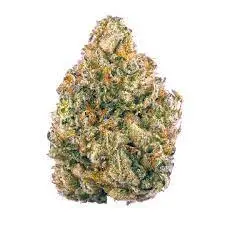
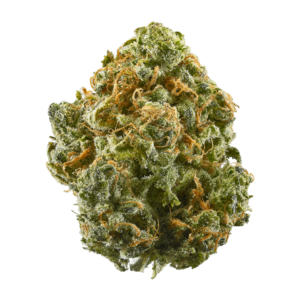
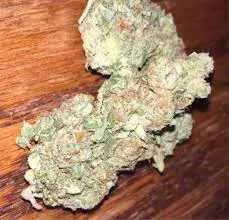
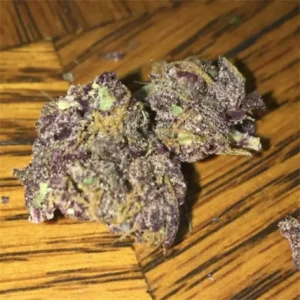
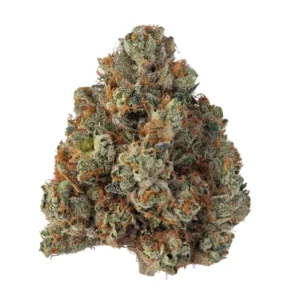
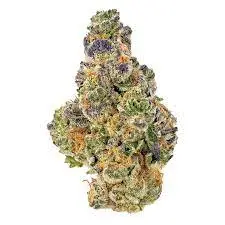
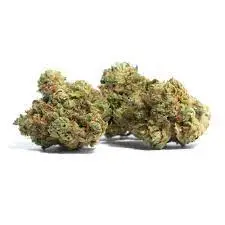
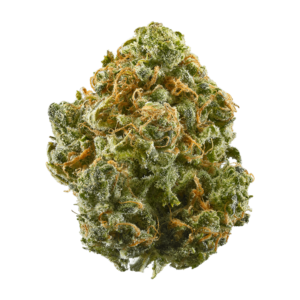
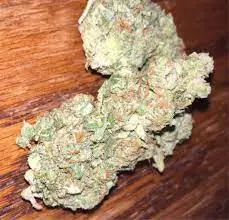
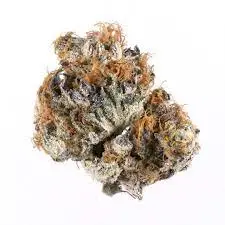
Cannabis flower can vary in colour, shape, density and visible plant material. These differences may reflect genetics, growing conditions, maturity, processing and storage.
Appearance alone cannot establish a product’s chemical composition, purity or safety. Visual inspection should not be treated as a substitute for suitable laboratory testing.
Aroma
The aroma of cannabis can be influenced by terpenes and other volatile compounds. Products may be described using terms such as citrus, pine, berry, floral or earthy.
Aroma descriptions are useful for communicating sensory characteristics, but they are subjective. They do not establish the presence of a specific compound unless supported by appropriate testing.
Cannabinoid information
THC and CBD are two well-known cannabinoids associated with cannabis.
THC is the principal intoxicating cannabinoid commonly discussed in recreational cannabis contexts. CBD does not produce the same intoxicating effect as THC, although CBD products still require careful assessment for quality, safety and legal compliance.
Cannabinoid content can differ between plants and finished products. A product label should not be assumed accurate without suitable evidence.
Packaging and traceability
Clear labelling, identifiable manufacturers, batch information and credible test documentation can help consumers understand a product’s origin and composition.
However, packaging is not proof that a product is genuine, safe or legal. Documentation should be credible, relevant to the actual batch and consistent with the product being described.
Understanding a Weed Strain
A weed strain is best understood as a combination of genetic background and observable characteristics rather than simply a catchy product name.
When reading strain descriptions, it is helpful to consider four questions.
First, what is the claimed variety? Check the exact strain name and whether the seller provides information about its background.
Second, what is known about its composition? Look for reliable information on cannabinoids and, where relevant, terpene analysis. Avoid assuming that a familiar name guarantees a particular THC percentage.
Third, how is the aroma described? Flavour and fragrance terms can provide useful context, but they remain descriptive unless supported by appropriate analysis.
Fourth, what is the product’s legal status? In the UK, the legal classification of cannabis and controlled cannabinoids is a critical consideration. A product does not become lawful simply because its packaging describes it as hemp, herbal or a particular strain.
These questions encourage a more informed approach to cannabis-related product information and help separate evidence-based descriptions from promotional language.
How Do Weed Strains Work?
The effects of cannabis depend on its chemical composition, the amount consumed, the route of exposure, individual biology and other circumstances.
THC interacts with the body’s endocannabinoid system, which is involved in processes such as mood, memory, appetite and pain signalling. Its interaction with cannabinoid receptors helps explain its intoxicating effects.
CBD interacts with the body differently and does not cause the same characteristic intoxication as THC. However, it can affect the way certain medicines work and is not automatically risk-free.
The role of cannabinoids
Cannabinoids are chemical compounds found in cannabis. THC and CBD receive considerable attention, but cannabis contains other cannabinoids as well.
The relative amounts of these compounds vary between varieties and products. Therefore, two samples carrying the same strain name may not produce identical experiences or have identical chemical profiles.
The role of terpenes
Terpenes contribute to the aromas of many plants, including cannabis. Examples of common terpene names in cannabis discussions include myrcene, limonene, pinene and caryophyllene.
They are associated with different aromatic descriptions, including earthy, citrus, pine-like and spicy notes.
Although terpenes are frequently discussed in relation to cannabis, aroma alone cannot establish a product’s medical value or predict a particular effect. Strong therapeutic claims require appropriate scientific evidence.
Individual differences
Responses to THC can vary significantly. Factors include individual sensitivity, previous exposure, the product’s composition and interactions with other substances or medicines.
Possible unwanted effects include anxiety, dizziness, impaired concentration, altered perception and a faster heart rate. Higher THC exposure can increase the likelihood of adverse effects.
Cannabis use can also affect judgement, coordination and reaction time. Anyone who has used an intoxicating product should not drive or operate machinery while impaired.
Weed Strains Effects Timeline
There is no single effects timeline that applies to every cannabis strain or product. The onset, duration and intensity of effects depend substantially on the route of administration, the product’s composition and individual factors.
The following table is a general educational overview, not a prediction for a specific strain.
| Route of exposure | General onset pattern | Important considerations |
|---|---|---|
| Inhaled cannabis | Effects may begin within minutes | Intoxication and impairment can develop quickly |
| Oral cannabis products | Effects may take considerably longer to appear | Delayed onset can lead to unintended overconsumption |
| Prescription cannabis medicines | Depends on the formulation and prescribed route | Follow the specialist’s instructions and product information |
Why timing varies
The amount of THC, individual metabolism, other substances and the particular product can influence how a person responds. The perceived end of an effect does not necessarily mean that coordination or judgement has fully recovered.
It is particularly important not to assume that a product is safe because its effects seem mild or have started to fade.
Safety considerations
Avoid driving while impaired and never combine intoxicating cannabis products with alcohol or other substances that can impair judgement without appropriate medical advice.
If someone experiences severe confusion, chest pain, difficulty breathing, loss of consciousness or another serious reaction, seek urgent medical assistance.
For prescribed cannabis-based medicines, follow the prescribing specialist’s guidance rather than relying on general information about recreational cannabis.
Weed Strains vs THC Vapes
Weed strains and THC vapes are different product categories, although both may be discussed in relation to cannabis. Weed strains UK, Cannabis strains UK, THC weed strains UK, Indica weed strains UK..
Weed strains usually refer to named cannabis varieties, often described in terms of their plant genetics, flower characteristics and aroma. THC vapes generally refer to electronic devices containing a liquid or other formulation intended to deliver THC through inhalation.
| Feature | Weed strains | THC vapes |
|---|---|---|
| Typical product description | Named cannabis variety or flower | Electronic device and cannabinoid formulation |
| Main characteristics discussed | Genetics, appearance, aroma and cannabinoid profile | Ingredients, formulation, device design and cannabinoid content |
| Product composition | Varies by variety, batch and processing | Varies by formulation and manufacturer |
| Quality considerations | Identification, contamination controls and credible testing | Ingredient disclosure, device safety and credible testing |
| UK legal considerations | Cannabis flower is generally controlled | THC-containing formulations may also be controlled |
Which is better?
There is no universally correct answer because the categories describe different product formats. More importantly, a product’s suitability cannot be established by branding, convenience or advertised potency alone.
Unverified vape liquids may contain unexpected ingredients or contaminants, while cannabis flower can also have uncertain composition or contamination.
In the UK, consumers should not assume that a THC vape or cannabis flower is lawful merely because it is offered online. Check the applicable legal requirements and seek medical advice where a cannabis-based medicine is being considered.
Choosing the Best Weed Strains: What to Know
The phrase best weed strains is common in online searches, but the term is subjective. A variety’s reputation does not guarantee authenticity, consistent composition or safety.
For an educational comparison, the following factors are more meaningful than promotional rankings.
Check the product description
Look for clear, specific information rather than vague claims such as premium quality or strongest strain. A trustworthy description should distinguish verified facts from marketing language.
Examine available testing information
Where relevant and legally applicable, independent laboratory documentation may help verify cannabinoid concentrations and screen for certain contaminants.
Check that the documentation identifies the actual product or batch. A generic certificate that cannot be connected to the item being described offers limited assurance.
Understand the ingredients
For processed cannabis products, ingredient transparency is particularly important. Labels should not be treated as definitive proof, but missing or contradictory ingredient information is a reason for caution.
Be cautious about potency claims
A higher advertised THC percentage does not mean that a product is better or safer. Greater THC exposure may increase the risk of unwanted psychological and physical effects.
Consider legal compliance first
In the UK, cannabis flower and THC are subject to controlled-drug legislation, with limited legal exceptions and specific rules for prescribed medicines and authorised activities. Check official guidance before considering any transaction.
A useful principle: reliable information, verifiable product identity and legal compliance matter more than a fashionable strain name or an aggressive sales claim.
Flavour Profiles of Weed Strains
Flavour terminology is a major part of cannabis product descriptions. It helps communicate how a variety is commonly described, although perceived flavour and aroma can vary between individuals and samples.
Citrus and lemon
Citrus descriptions suggest lemon, orange, grapefruit or other bright fruit-like notes. Limonene is one terpene often associated with citrus aromas.
The presence of a citrus description does not prove that a product contains a particular concentration of limonene.
Berry and fruity notes
Some cannabis descriptions use terms such as berry, grape, tropical fruit or sweet fruit.
These descriptions are sensory labels rather than guarantees about ingredients or chemical composition.
Earthy and woody aromas
Earthy descriptions may suggest soil-like, woody or musky characteristics. Such terms are commonly used to distinguish less fruit-forward aromatic profiles.
Pine and herbal notes
Pine-like descriptions evoke forest aromas, while herbal descriptions may suggest fresh plants or aromatic leaves.
Pinene is a terpene associated with pine-like aromas, although the precise aroma of a cannabis sample depends on its overall composition.
Floral and sweet notes
Some varieties are described as floral, sugary or perfume-like. These terms may help distinguish their advertised aroma from more earthy or spicy profiles.
Why flavour descriptions should be read carefully
Flavour names do not establish product safety, THC concentration or authenticity. A product marketed with a fruit-inspired name may not contain the fruit or flavour compounds implied by its branding.
For VapeHaveUK, clear and accurate descriptions can help readers understand terminology without suggesting that flavour alone proves quality or legality.
Who Uses Weed Strains?
People research cannabis strains for different reasons, including botanical education, cultural interest, curiosity about plant chemistry and understanding cannabis-based medicines.
Botanical and scientific learners
Students and readers may explore cannabis genetics, plant classification, cannabinoids and terpenes to understand how different varieties are described.
Adult readers interested in cannabis culture
Cannabis strain names appear in media, popular culture and discussions about breeding history. Understanding the terminology helps readers distinguish cultural descriptions from scientifically established characteristics.
People researching medicinal cannabis
Some people explore cannabis-based medicines because of a medical condition. In the UK, certain cannabis-based products can be prescribed by specialist doctors when clinically appropriate.
A retail strain description is not a substitute for medical assessment. Anyone considering cannabis for a health condition should consult a qualified healthcare professional rather than relying on marketing claims.
Why responsible information matters
Cannabis is not suitable for everyone. THC can impair attention and coordination, and cannabis use may carry additional risks for people with certain mental health vulnerabilities or those taking interacting medicines.
Young people, pregnant individuals and people who need to drive or operate machinery should be especially mindful of cannabis-related risks.
This educational overview is intended to explain the terminology and relevant considerations, not to encourage intoxication or make medical recommendations.
Explore More Cannabis Products
The wider cannabis and hemp marketplace includes products with different ingredients, formats and legal classifications. Understanding these distinctions is essential when browsing a product category.
CBD products
CBD, or cannabidiol, is a cannabinoid that does not cause the same characteristic intoxication as THC.
CBD oils and other CBD products are subject to relevant product-specific requirements. Their legal status depends on factors including composition, intended use and applicable regulations.
A CBD label alone does not guarantee that a product is THC-free, compliant or safe.
Hemp-derived products
Hemp is a term commonly used for cannabis varieties cultivated for particular commercial purposes. However, the word hemp does not automatically exempt a flower, extract or finished product from controlled-drug legislation.
The legal treatment of a product depends on its contents, the part of the plant involved and the applicable rules.
Cannabis-based medicines
Some cannabis-based medicines may be prescribed by specialist clinicians under UK rules. These products are distinct from unverified online products marketed as medical cannabis.
People seeking medical treatment should consult a qualified healthcare professional and obtain medicines through appropriate legal channels.
Cannabis accessories and educational resources
Educational material and certain accessories may be subject to different requirements from cannabis itself. Buyers should check the rules that apply to each item rather than assuming that all products within a broad cannabis category share the same legal status.
Why Choose VapeHaveUK?
When researching cannabis-related products, readers benefit from accessible explanations, clear category information and transparent product descriptions.
VapeHaveUK can support a more informed browsing experience by focusing on the following principles.
Clear information: Product descriptions should explain what is known about an item without presenting unverified claims as facts.
Transparent terminology: Distinguishing THC, CBD, hemp, cannabis flower and other product categories helps readers understand what a listing actually describes.
Quality awareness: Where applicable, credible testing and traceable sourcing are useful considerations when evaluating product information.
Responsible communication: Avoiding unsupported claims about potency, health benefits or guaranteed effects helps readers make more informed decisions.
Legal awareness: UK customers should be able to distinguish products that may lawfully be sold from controlled products that require specific legal authority.
Explore the VapeHaveUK website for relevant product information and educational resources. Any product listing should be assessed on its own composition and legal status; inclusion in a category does not itself establish that the product is lawful.
Weed Strains FAQ
What are weed strains?
Weed strains are named cannabis varieties or genetic lines that may differ in plant characteristics, aroma, cannabinoid composition and breeding background.
What are the main types of weed strains?
Indica, Sativa and Hybrid are three widely used classifications. They are useful introductory terms, but they do not reliably predict a product’s chemical profile or effects.
Are THC weed strains legal in the UK?
Cannabis is generally controlled under the Misuse of Drugs Act 1971, and THC is also controlled. Possession, supply, production and importation can be unlawful without the relevant legal authority. Certain cannabis-based medicines may be prescribed under specific rules. Always consult current official guidance.
Are hemp and cannabis the same?
Hemp is commonly used to describe cannabis varieties cultivated for particular commercial purposes. The term does not automatically make every plant part or finished product legal. The applicable legislation depends on the product and its contents.
What is the difference between THC and CBD?
THC is associated with cannabis intoxication. CBD does not cause the same characteristic high, but it can interact with medicines and is not automatically free from risks.
Do different weed strains have different flavours?
They can have different aromatic profiles due to their genetics, terpenes, growing conditions and storage. However, flavour descriptions are not a reliable substitute for laboratory analysis.
Can strain names guarantee quality?
No. A familiar or popular strain name does not prove authenticity, chemical composition, purity or safety. Relevant documentation and reliable testing are more useful indicators.
Are Indica strains always relaxing and Sativa strains always energising?
No. These generalisations are common in cannabis marketing, but the labels do not reliably predict an individual’s response. Chemical composition, dose, route of exposure and personal factors all matter.
How can I assess a cannabis product’s quality?
Look for accurate labelling, traceable sourcing and credible testing information where applicable. Be cautious of unsupported potency claims, vague ingredient lists and products with uncertain origins.
Can I buy weed strains online in the UK?
Online availability does not establish legality. Cannabis flower and THC-containing products are generally subject to controlled-drug laws. Before any purchase, confirm that the specific product and transaction are lawful under current UK regulations.
Shop Weed Strains UK: An Informed Approach
Searching for weed strains in the UK can introduce readers to a wide range of names, aromas, botanical descriptions and product formats. The most useful starting point is understanding what the terminology means and which claims can be verified.
Whether you are researching Indica, Sativa, Hybrid varieties, terpene profiles or the differences between cannabis flower and THC vapes, accurate information is more valuable than exaggerated marketing.
At VapeHaveUK, the goal of an educational product category should be to help visitors understand the products being described, identify relevant quality information and recognise the importance of legal compliance.
Before proceeding with any cannabis-related product, verify its ingredients, composition, documentation and legal status. Do not assume that a low-THC claim, hemp label, online listing or familiar strain name makes a product lawful.
Explore VapeHaveUK: https://vapehaveuk.co.uk/product-category/weed-strains/
Use the category as a starting point for product information and cannabis education, while ensuring that any product considered for purchase is legally permitted and appropriately documented.
Final Thoughts
Weed strains are an extensive subject involving plant genetics, aroma, cannabinoids, breeding history and product terminology. Indica, Sativa and Hybrid remain familiar labels, while THC, CBD and terpenes help explain important differences between cannabis products.
Understanding these terms can make product descriptions easier to interpret, but no strain name or flavour profile can guarantee potency, safety or a particular experience.
For UK readers, legal compliance is just as important as product information. Cannabis and THC are generally controlled substances, and only specific circumstances and authorised activities fall within legal exceptions.
By prioritising clear descriptions, reliable evidence and responsible communication, VapeHaveUK can provide readers with a useful educational starting point for understanding cannabis-related products and the regulations that govern them.
Author: VapeHaveUK Editorial Team
Website: https://vapehaveuk.co.uk/
Showing 1–16 of 24 results
-
Sale!

AFGHAN KUSH
Original price was: EGP22.00.EGP20.00Current price is: EGP20.00. Add to cart -
Sale!
AK-47 Weed Strain
Original price was: EGP15.00.EGP12.00Current price is: EGP12.00. Add to cart -
Sale!
Blue Dream
Original price was: EGP15.00.EGP13.00Current price is: EGP13.00. Add to cart -
Sale!
Blueberry Weed Strain
Original price was: EGP17.00.EGP15.00Current price is: EGP15.00. Add to cart -
Sale!
Chemdawg Kush
Original price was: EGP22.00.EGP20.00Current price is: EGP20.00. Add to cart -
Sale!
Girl scout cookies
Original price was: EGP14.00.EGP12.00Current price is: EGP12.00. Add to cart -
Sale!
Gorilla glue
Original price was: EGP14.00.EGP12.00Current price is: EGP12.00. Add to cart -
Sale!
Granddaddy Purple
Original price was: EGP14.00.EGP12.00Current price is: EGP12.00. Add to cart -
Sale!
Grape god
Original price was: EGP14.00.EGP12.00Current price is: EGP12.00. Add to cart -
Sale!
Green Crack
Original price was: EGP15.00.EGP12.00Current price is: EGP12.00. Add to cart -
Sale!
Jack herer
Original price was: EGP14.00.EGP12.00Current price is: EGP12.00. Add to cart -
Sale!
Jungle boys
Original price was: EGP65.00.EGP60.00Current price is: EGP60.00. Add to cart -
Sale!
Khalifa kush
Original price was: EGP14.00.EGP10.00Current price is: EGP10.00. Add to cart -
Sale!
LA Confidential
Original price was: EGP14.00.EGP12.00Current price is: EGP12.00. Add to cart -
Sale!
Mango haze
Original price was: EGP14.00.EGP12.00Current price is: EGP12.00. Add to cart -
Sale!
Moonrock
Original price was: EGP22.00.EGP20.00Current price is: EGP20.00. Add to cart